Google Reviews
4.7 ★

Nika
4 months ago
★★★★★
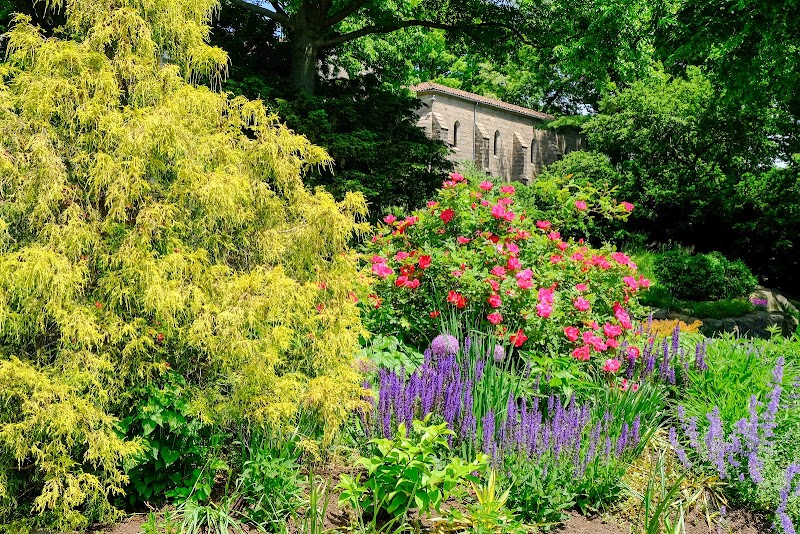
I absolutely love Fort Tryon Park! The park is super clean and well cared for! There’s lots of wonderful things to see on this park. During the summer and fall the flowers are absolutely stunning! There are beautiful pine trees all over this park. Large boulders are all over as well and are amazing to look at. The Cloisters are fantastic… consisting of a great museum, gardens and chapels…. This is an all day experience. The view of the Hudson River and GWB are grandiose! This is one of those places that you just have to see! There are fantastic trails to follow in this park!
John Johnson
2 months ago
★★★★★
Upper Manhattan gem that feels like a world away. The Heather Garden is gorgeous—actually cared for, not just random flowers. Views of the Hudson and Palisades are insane, especially from Linden Terrace. The Cloisters at the north end is worth poking into even if you don't go in. Trails wind through real woods, feels more like upstate than the city. Free parking, which is wild. Some paths are steep, wear decent shoes. Quiet, peaceful, totally worth the trip up.
Sadman Ahmed
6 months ago
★★★★★
ort Tryon Park is a 67-acre park in the Hudson Heights and Inwood neighborhoods of northern Manhattan, perched on a ridge overlooking the Hudson River. The park is known for its stunning views of the Hudson River and the New Jersey Palisades, beautiful gardens, and winding pathways. It was designed by the Olmsted Brothers and gifted to New York City by John D. Rockefeller Jr. in 1935.

A gift from Rockefeller: Philanthropist John D. Rockefeller Jr., who grew up taking walks in the area, purchased the land in 1917 and hired the Olmsted Brothers landscape architecture firm to design it. To preserve the park's scenic river views, Rockefeller also purchased land on the New Jersey side of the Hudson, now part of the Palisades Interstate Park.
Olmsted Brothers' vision: Frederick Law Olmsted Jr., the son of Central Park's co-designer, meticulously planned the park, including its wooded slopes, sloping lawns, and eight miles of pedestrian paths. The design masterfully incorporates the park's rugged, rocky topography into the landscape.
Historic landmark: The park was officially designated a New York City scenic landmark in 1983 and is listed on the National Register of Historic Places.
Key attractions
The Met Cloisters: The most famous feature of the park is The Met Cloisters, a branch of the Metropolitan Museum of Art dedicated to medieval European art and architecture. The museum incorporates elements from several European monasteries and showcases artifacts like the famous Unicorn Tapestries.
Heather Garden: Built on a terraced slope with American elm trees, the Heather Garden is a three-acre horticultural gem with over 650 varieties of plants. Its low-growing heathers were chosen to preserve the magnificent river views.
Billings Arcade: Remnants of the estate of industrialist C.K.G. Billings are incorporated into the park, most notably the majestic, granite Billings Arcade with its five arches.
Linden Terrace: Located on one of Manhattan's highest natural points, this terrace offers breathtaking panoramic views of the Hudson River and the Palisades.
Margaret Corbin Circle: The park's southern entrance is named for Margaret Corbin, a Revolutionary War hero who fought at the Battle of Fort Washington, which occurred near the park's site.
Activities and events
Outdoor recreation: Visitors can enjoy strolling along the paths, picnicking on the lawns, using the playgrounds and dog run, and taking advantage of the free outdoor fitness programs.
Annual events: The park hosts a number of popular annual events, including a medieval festival in September, a commemoration of the Battle of Fort Washington in November, and the "Shearing of the Heather" in April.
Wildlife: Fort Tryon is also a haven for urban wildlife, including various bird species, possums, and raccoons.
Ann Boehm
7 months ago
★★★★★
Fort Tryon Park remains one of the city’s most beautiful outdoor pieces of art and one of the best presents ever received.

John D. Rockefeller, Jr. began acquiring private parcels in 1917 as part of his vision of developing a beautiful park with majestic views of the Hudson River and Palisades for the public. He enlisted the Olmsted Brothers Firm, led by Frederick Law Olmsted Jr., son of the architect of Central Park and his brother to develop a plan for the park in 1927. The Olmsted Brothers designed the park and oversaw its construction between 1931 and 1935. Rockefeller gifted the land to the City of New York in 1931, and construction began soon after, overseen by the Olmsted Brothers firm for Mr. Rockefeller. In 1935, Rockefeller and Robert Moses dedicated the park to the public for use.

Decades after its creation, park goers can run or walk on the park's 8 miles of pathways, play on the lawns, and enjoy the city's largest garden with unrestricted public access, the Heather Garden. Recently reinvigorated by public garden designers Lynden B. Miller and Ronda M. Brands, the garden boasts over 500 varieties of plants, trees, and shrubs providing year-round horticultural interest. Fort Tryon Park is also home to the Cloisters, a branch of the Metropolitan Museum of Art that houses nearly 5,000 medieval works in a building comprised of several structures from Europe.

Fort Tryon Park is home to Manhattan's largest dog run, complete with a gazebo for dog owners to sit and socialize, as well as two playgrounds, volleyball courts, and built-in ping pong tables. The pristine views of the Hudson River make the park the perfect setting for exploring, meandering strolls, and picnics.

The Fort Tryon Park Trust is the non-profit partner that collaborates with NYC Parks on sustaining and revitalizing all 67 acres of this scenic landmark parks. The Fort Tryon Park Trust provides supplemental staff for the park's upkeep, provides over 250 free public programs in the park, and funds targeted park improvements.
Rebeebee83
4 months ago
★★★★★
Great park to get out and see the Hudson while getting some exercise. The views are fabulous and the area is an important bird habitat. The various trees and gardens are well maintained and there are several paths through the park.
View all reviews on Google
Reviews powered by Google